













A national building-materials distributor operates a distribution center with very narrow aisles (VNA) and tall racking. Over time, a large share of inventory was being pushed into a “Lost & Found” status in the Warehouse Management System (WMS) by different operators across shifts, while a small weekend team was left to reconcile the backlog. The result was predictable: warehouse personnel spent too much time hunting for pallets, order promises were harder to keep, and leadership struggled to get a clean read on where time and money were actually being lost.
Challenges
Lost & found spiral:
Many warehouse operators were flagging inventory as “lost,” piling up discrepancies faster than the reconciliation team could resolve, contributing to multi-million-dollar write-offs tied to mis-slots and missing product.
Unquantified search labor:
Teams spent over 100 hours per week hunting lost pallets. This search time was significant yet hard to quantify, which made headcount and investment decisions harder to justify.
Cancellations & customer impact:
Customer impact followed, when pallets weren’t quickly found, orders slipped or were cancelled.
Very narrow aisle (VNA) complexity:
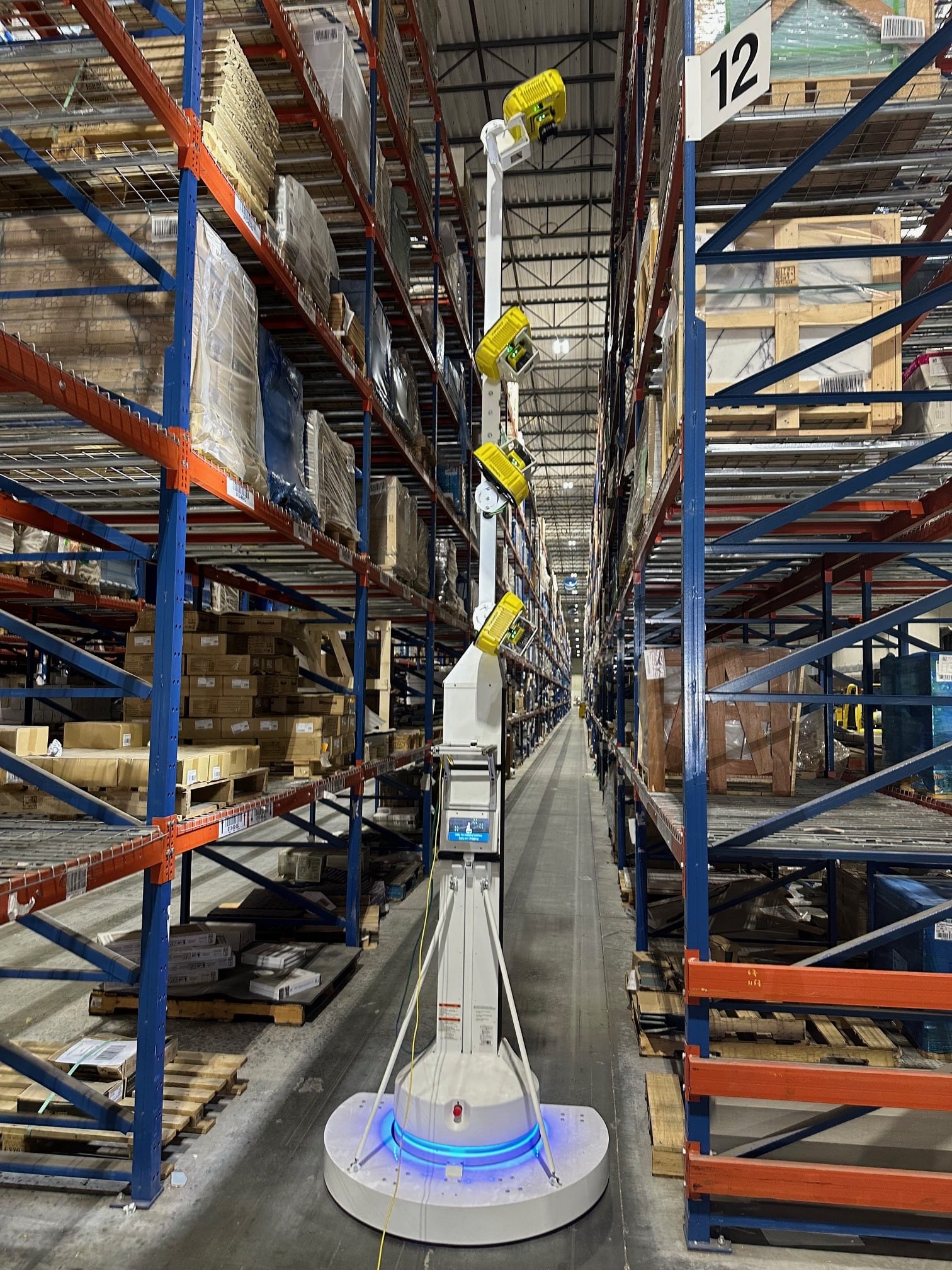
The site’s very narrow aisles (about 6. ft.) compounded these issues. Tight clearances and upper-bay labels made scanning the entire facility slow and lift-intensive.
Solution
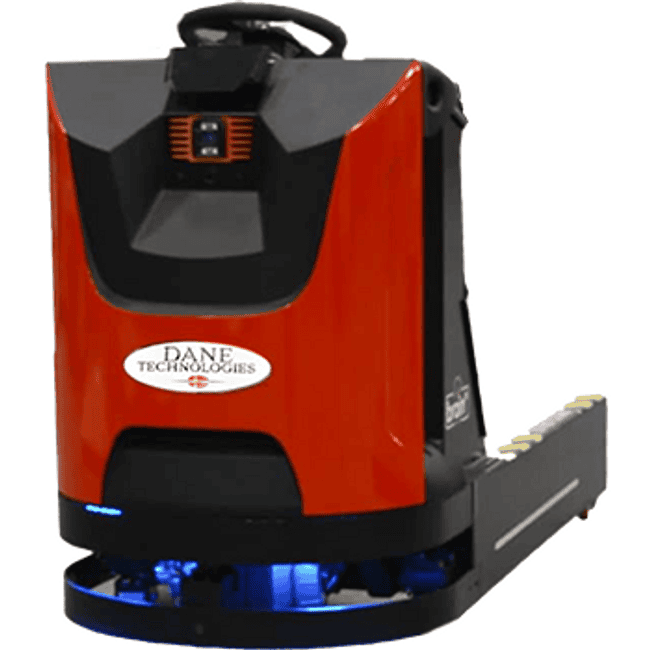
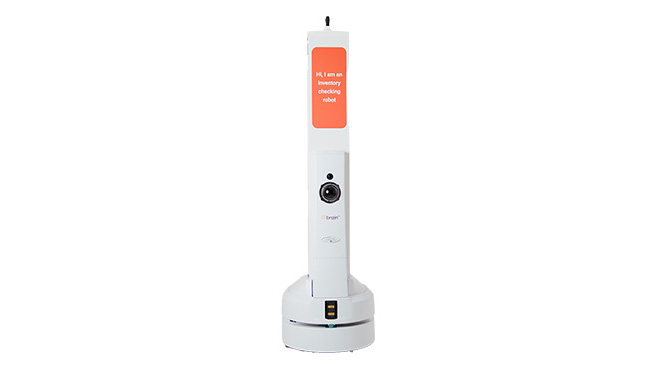
The facility introduced Dane AiR™ DC (AiR™), an autonomous inventory robot (AMR) designed to navigate very narrow aisles and automate inventory cycle counting. The goal was to shift the rhythm of inventory control from reactive searching to exception-driven work. Each run of the AiR™ DC produced a concise set of exceptions (inventory issues) that compared what the robot actually saw with what was in the WMS, so the team could start the week resolving issues immediately. To keep the pilot grounded, the team aligned on clear success measures. They tracked the actual time required to manually scan the aisles, the reduction of the Lost & Found backlog, and the weekly clear-rate to confirm the exception workflow was taking hold. They validated the accuracy of flags for missing, unreadable, or mis-slotted LPNs through targeted spot checks, establishing thresholds that gave operations confidence to act without second-guessing the data. And, they watched for a lift in inventory speed and accuracy in the pilot aisles by reconciling validated exceptions back into the WMS and confirming that pallet-level locations stayed clean between runs.
Results
The backlog shifted from an open-ended headache to a manageable queue. Leaders gained a credible path to reduce low-value search hours through redeployment and attrition, without adding weekend crews or interrupting daytime throughput. Operational efficiency as a whole increased significantly. After scans, the site compared time-to-found and hours spent searching before and after robotic data became available. Armed with actionable robotic data, operators were now allocating their time to closing exceptions rather than wandering the aisles looking for issues. By the end of the pilot, there were consistent runs on a dependable cadence; a visible and shrinking Lost & Found queue; faster time-to-found and fewer order headaches tied to “not found”; cleaner pallet-level records in the pilot aisles verified by spot audits; an export-first workflow that the floor actually used; and a playbook that can roll to sister sites without reinventing the process.
Key Takeaways
Configurable for dynamic warehouse spaces and VNAs:
Confident navigation in tight aisles and high-reach barcode scanning removed the need for lifts and spotters.
Autonomous robotic data beats search-driven:
Robotic data turns invisible hunting into a visible, closeable list so operators could start the shift resolving prioritized exceptions rather than wandering aisles searching for issues.
Understand inventory availability:
Simple exports compared what the AiR™ saw to what the WMS reported, quickly proving value.
