



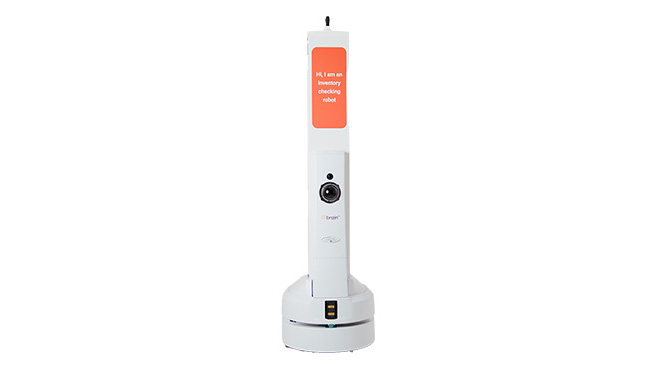
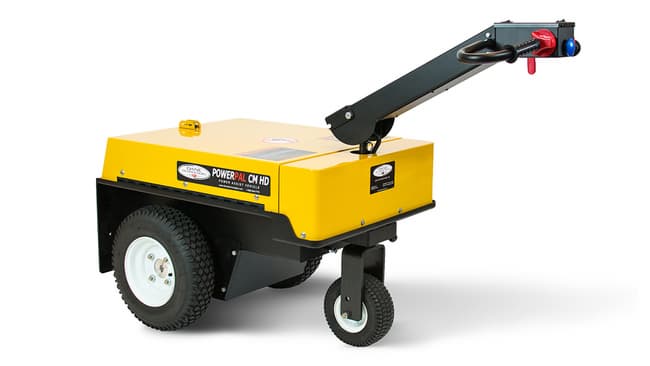
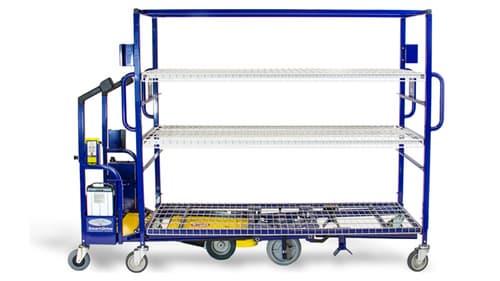
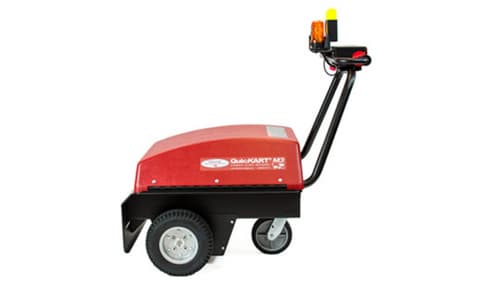











Manufacturing labor productivity declined in over 60% of industries in 2024, while unit labor costs increased by an average of 6.1%.—making operational efficiency gains more urgent than ever. Unplanned material moves remain one of the quietest sources of lost throughput: operators waiting on parts, work-in-progress accumulating at choke points, and forklifts running “just in case” loops that add cost without value.
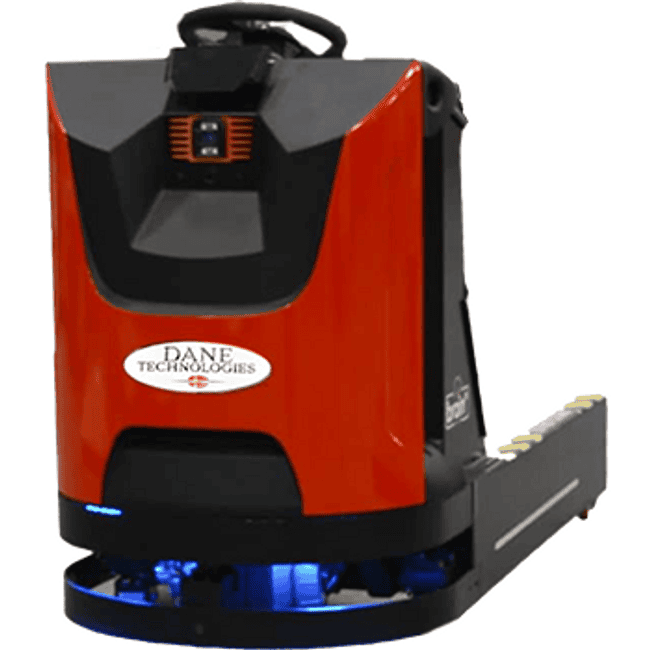
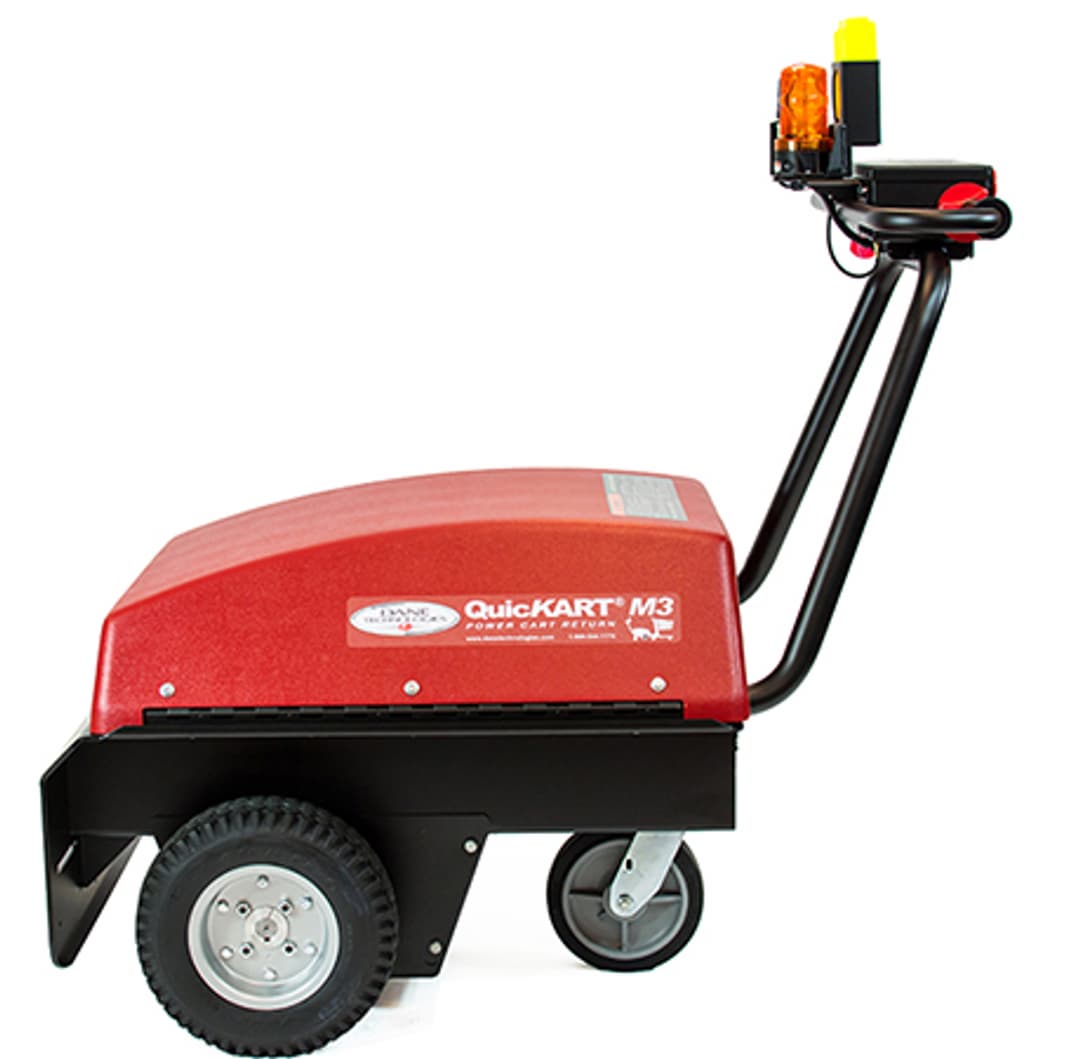
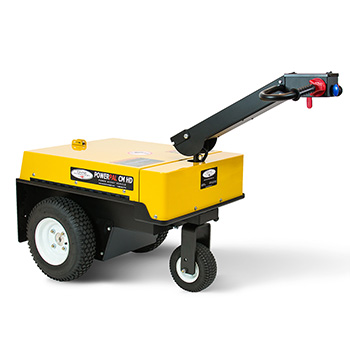
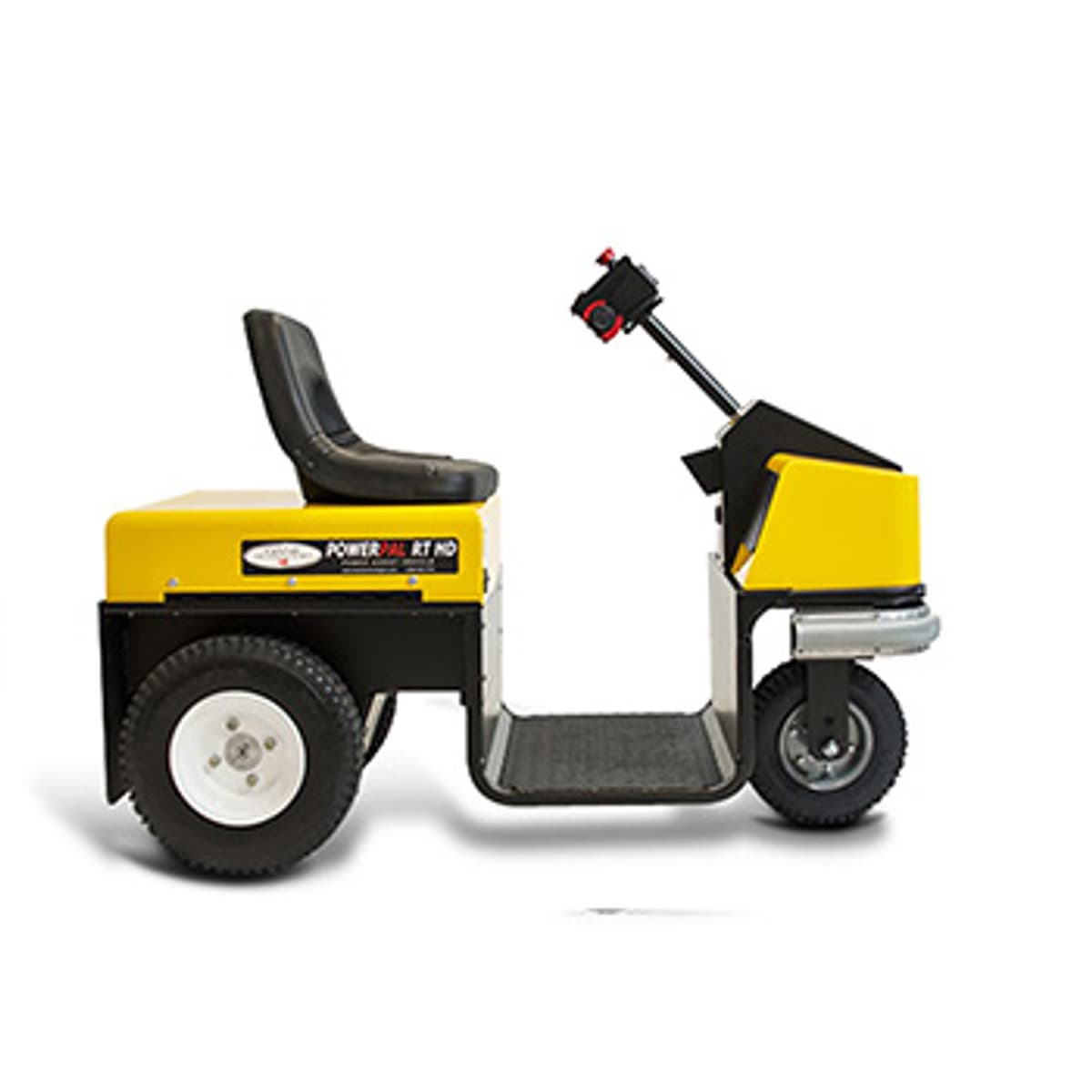
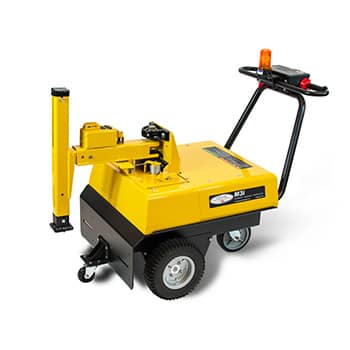
Dane Technologies’ Vision-Guided Vehicle (VGV) addresses this variability head-on by creating predictable, repeatable material flow. Designed to autonomously transport heavy loads up to 8,000 lb with optional manual control, the VGV keeps components, WIP, and finished goods moving on takt—without expanding headcount or adding forklifts. The outcome: steadier production lines, safer aisles, and better deployment of skilled labor.
The material flow challenge
As production continues to push toward more SKUs, smaller batches, and tighter cycle times. Lean principles call for just-in-time delivery and continuous flow, but traditional handling methods often can’t keep up. The consequences are all too familiar:
The result:
- Forklift dependency raises safety exposure, demands wide aisles, and yields inconsistent service levels
- Manual handlers pull skilled people off value-add work
- Buffer inventory hides true constraints and consumes scarce floor space
- After-hours staging drives overtime and quality risk
The real cost of slow material handling
Consider the bigger picture:
- A single hour of unplanned downtime costs manufacturers between $10,000-$50,000
- Manufacturers experience an estimated 800 hours of downtime annually, with industrial operations spending $50 billion on unplanned downtime
A significant portion of this downtime traces back to material availability. When operators radio for parts, when staging areas overflow, when the wrong kit arrives at a cell—these aren’t isolated incidents. They’re symptoms of material flow designed around forklift availability rather than production cadence.
Transportation waste originates not just in inefficient routes, but also earlier in the planning process—improper timing and quantity of items in transit create unintended management, storage, and handling costs.
Traditional material handling relies on three flawed assumptions:
- Forklifts are flexible enough: In reality, 10% of all workplace physical injuries involve forklifts, and each manual forklift has a 90% probability of contributing to a serious accident during its eight-year lifespan
- Ad-hoc jobs can scale: Pulling skilled operators off value-add work to push carts doesn’t scale when over 65% of manufacturers cite recruiting and retaining workers as their number one business challenge
- Buffer inventory compensates: Excess inventory incurs holding costs with complete value loss possible if processing deadlines aren’t met
Bottom line: production has evolved to high-mix, low-volume with tighter takt, but material handling hasn’t kept pace. VGVs close that gap by standardizing the “how” and “when” of movement—so lines run to plan, not to whoever can find a forklift.
The advantage of autonomous VGVs
The Dane Technologies’ VGV is an autonomous, vision-guided materials movement tug that follows mapped routes, executes scheduled or on-demand stops, and interfaces with carts, pallets, and racks already in use. VGVs do not require wholesale facility redesign, but rather integrate seamlessly into existing operations and scales easily.
Key capabilities:
- Payload: Up to 8,000 lb towing capacity
- Operating modes: Autonomous route execution with instant manual override for exceptions
- Material interfaces: Tow hitches, cart trains, pallet dollies, flow-rack handoffs
- Navigation: Vision-guided operation designed for mixed traffic with pedestrians, tuggers, and forklifts
Energy management: Opportunistic charging to support multi-shift duty cycles
Where VGVs deliver maximum value
Line-Side Replenishment on Takt Time
Just-in-time manufacturing focuses on producing exactly what’s needed, when it’s needed, by aligning production closely with real customer demand. VGVs maintain this discipline by running fixed-interval routes or responding to event-driven pulls from bins or scanners. The impact: fewer “line down” events, cleaner FIFO discipline, and reduced line-side buffer stock.
Work-in-Process Moves Between Aisles
VGVs standardize handoffs between machining, sub-assembly, and final assembly—eliminating ad-hoc forklift calls and batching delays. Proper implementation of just-in-time production relies on smooth material flows and continuous improvement techniques like kaizen to eliminate process inefficiencies. Consistent WIP movement shortens lead times and makes real bottlenecks visible so teams can address actual constraints.
Finished Goods to Staging and Outbound
Clearing finished goods quickly from end-of-line to quality control, wrapping, and outbound lanes reduces floor congestion and frees workers from long-haul moves across the facility.
Kitting Loops for High-Mix Production
For mixed-model lines, VGVs can deliver pre-built kits precisely when cells need them, minimizing wrong-part risk and enabling rapid changeovers.
Reusable Returns
Empty pallets, dunnage, and specialty fixtures create backhaul opportunities. VGVs return empties to staging areas, keeping the material system tidy without extra trips.
Measurable outcomes
- Throughput stability: Material arrives when and where it should, reducing stoppages and smoothing hourly output
- Labor redeployment: Hours previously spent walking, staging, and searching shift to value-add work
- Safety improvement: OSHA estimates that 70% of forklift accidents are preventable with standard safety measures—VGVs reduce forklift interactions in high-traffic zones, maintain consistent speeds, and lower manual handling strain
- Inventory reduction: Reliable delivery enables slimmer line-side buffers and smaller supermarkets, freeing both space and working capital
- Schedule adherence: Standardized loops improve on-time starts after breaks, changeovers, and shift transitions
- Quality protection: Reduced handling and fewer emergency moves lower damage and mix-up risk
Actionable data: Route performance metrics and dwell times highlight constraints and guide continuous improvement
Why VGVs fit manufacturing operations
The Dane VGV adapts effortlessly to production changes—when cells are relocated or processes introduced, they can quickly re-map routes without extensive infrastructure changes. VGVs bring this flexibility to the factory floor with:
- Takt-aware routing: Configure routes to match cycle times
- Aisle friendly design: Engineered to navigate through busy manufacuring plants
- Event-driven triggers: Ability to trigger off-schedule materials movement
- Material flexibility: Compatible with existing carts, dunnage, and pallet configurations
- Changeover agility: Update routes digitally when production models shifts
- Mixed-traffic operation: Vision-based navigation and layered sensing support predictable speeds, controlled stopping, and safe navigation
Factories win on efficient flow. With the global material handling equipment market reaching $178.2 billion in 2024, driven by rising labor costs and demand for operational efficiency, The Dane Technologies’ VGV become an operational imperative. VGVs provide a dependable, right-sized approach to moving parts, WIP, and finished goods with the consistency modern lines demand—freeing operators for skilled work, reducing safety exposure, and revealing true process constraints.
Learn how the Dane VGV can move your manufacturing facility. Contact us for a site assessment.
